Executive Summary
3S Medical Services successfully conducted a one-day free community medical outreach in Banganje Community on 18 July 2026 as part of its commitment to expanding access to essential primary healthcare for underserved populations. The activity followed an earlier household health outreach and sanitation and hygiene awareness intervention designed to promote disease prevention, early care-seeking, and healthier community practices.
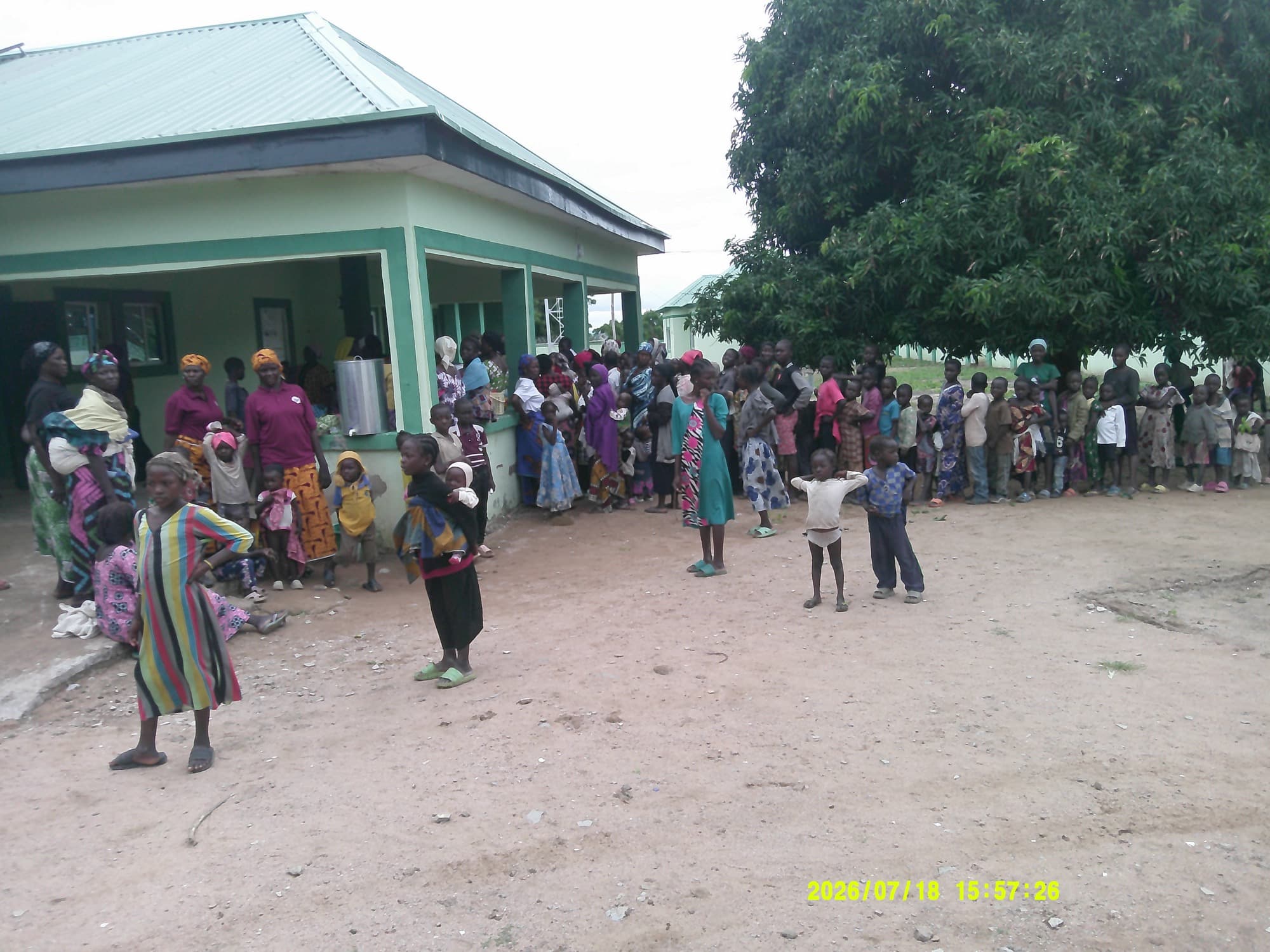
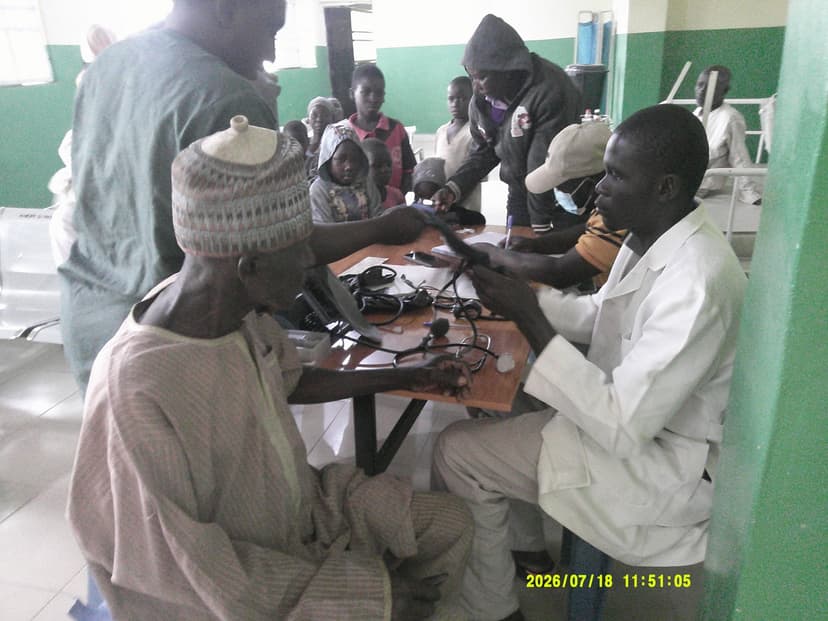
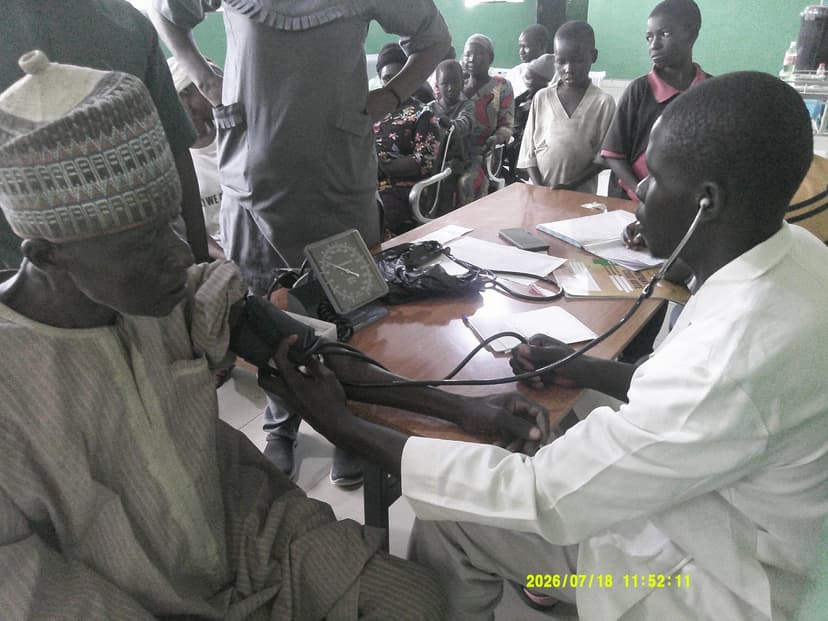
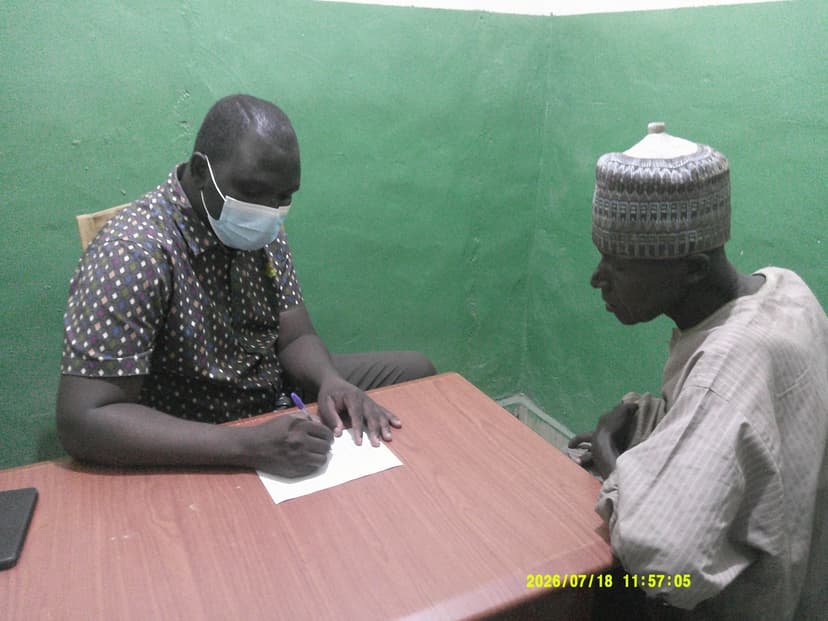
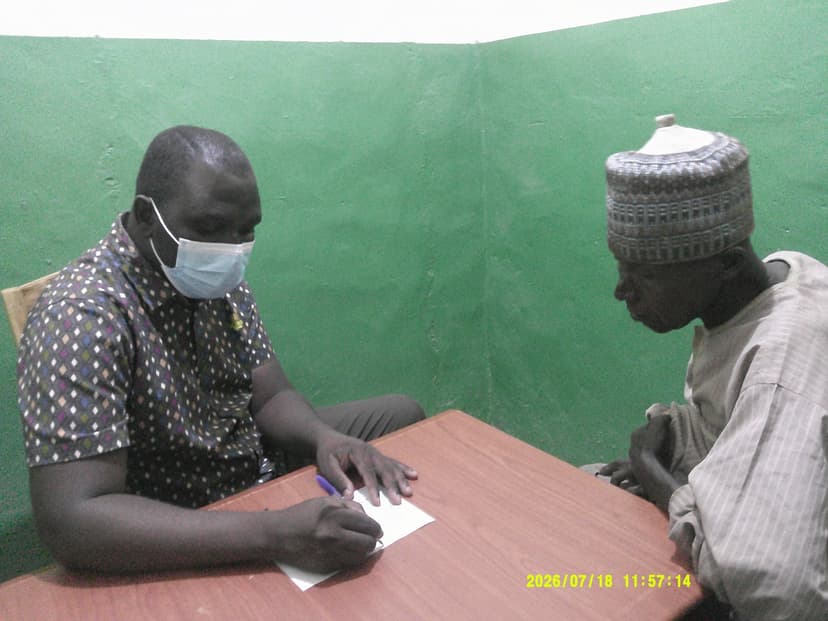
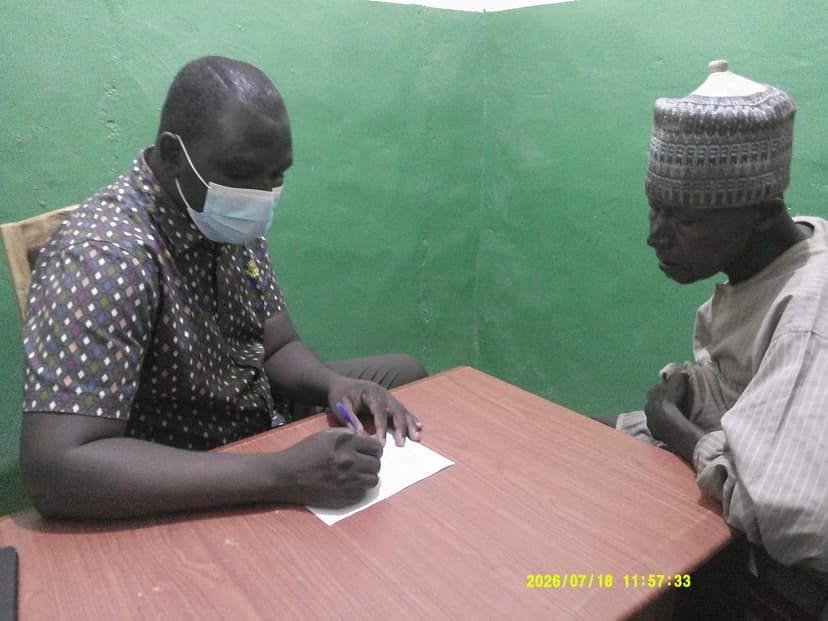
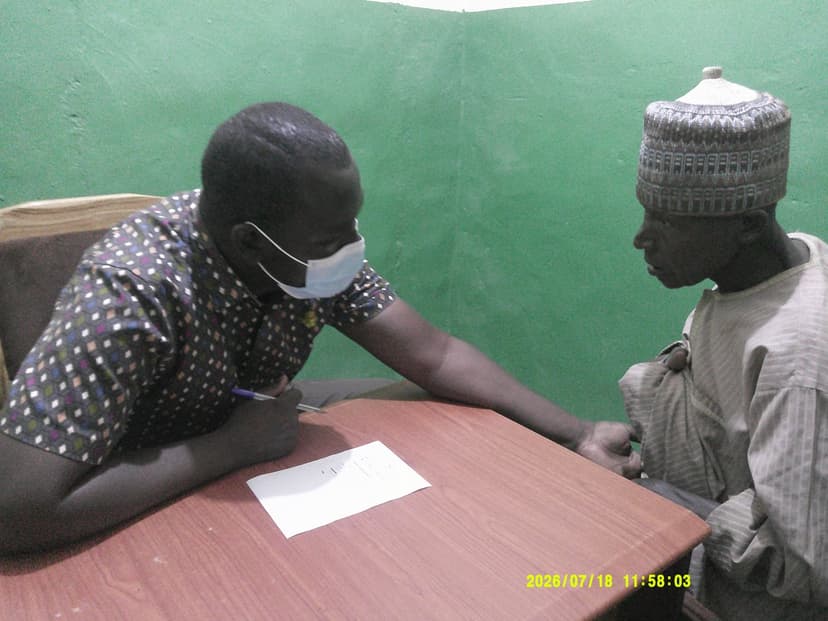
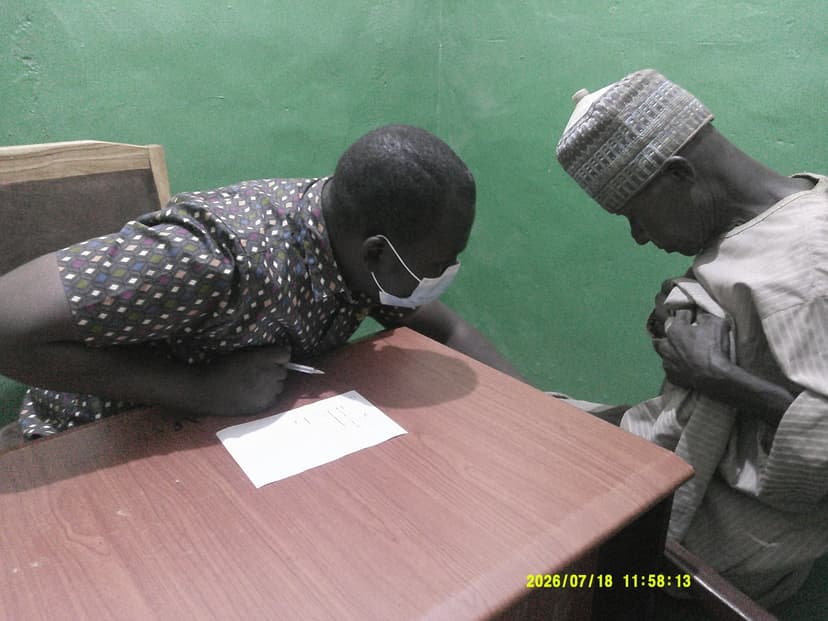
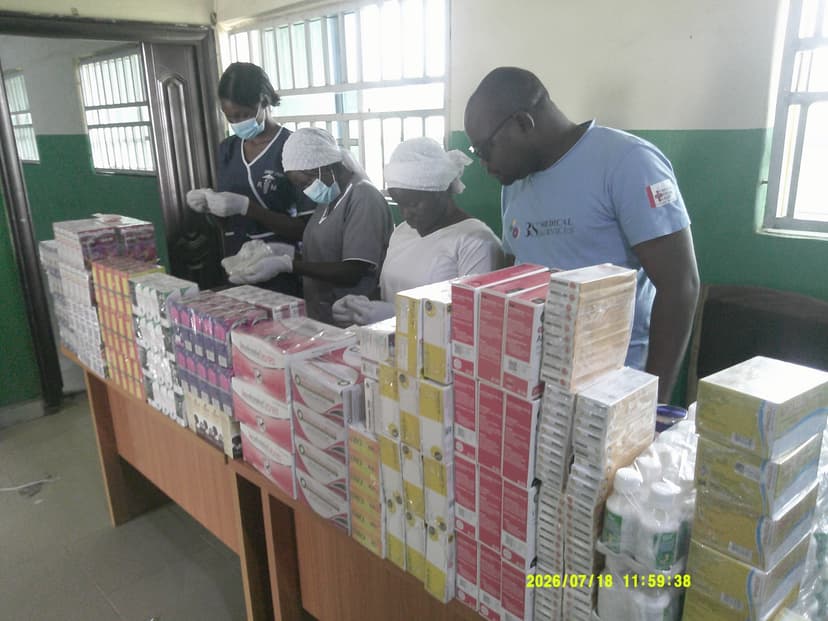
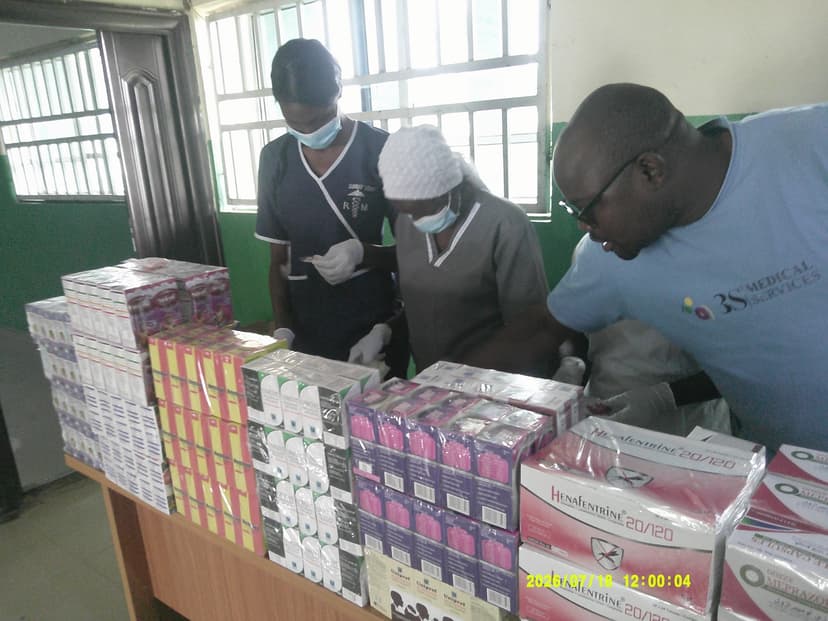
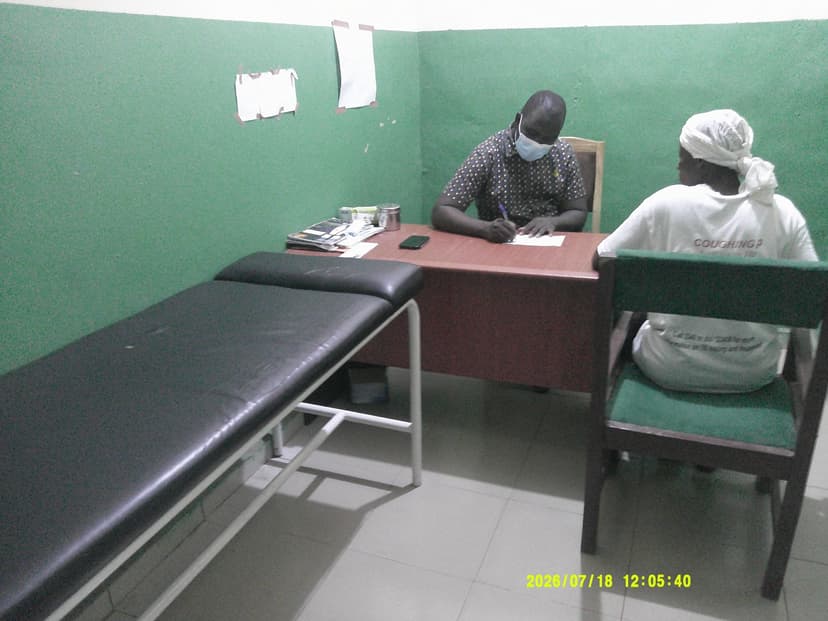
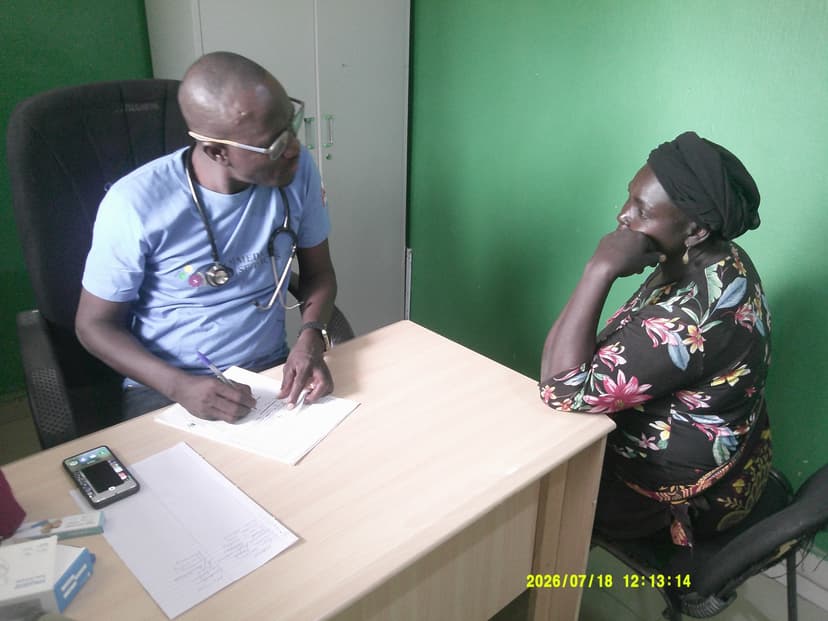
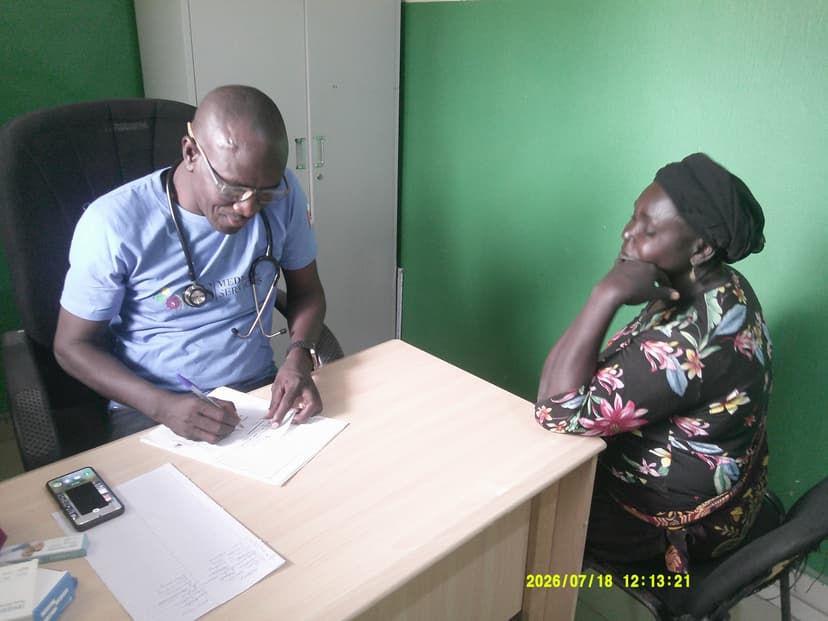
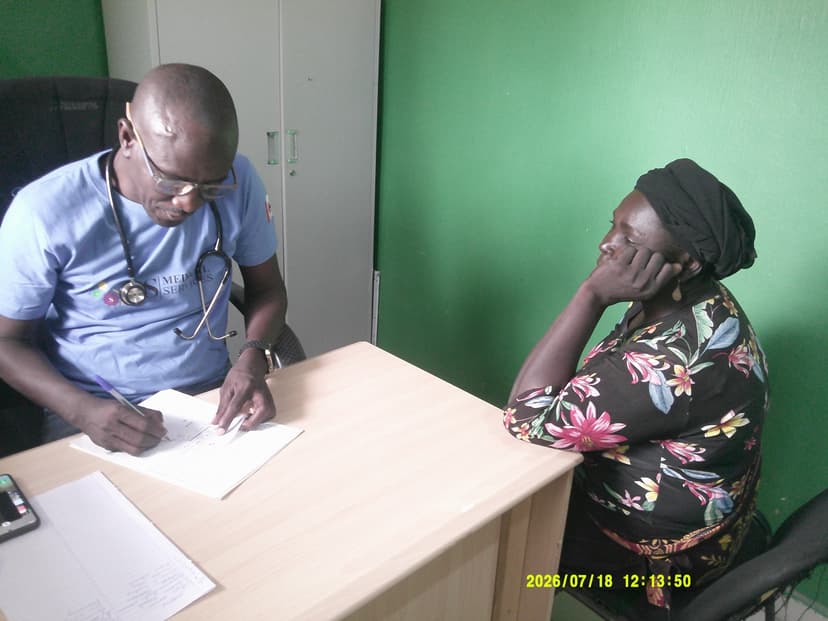
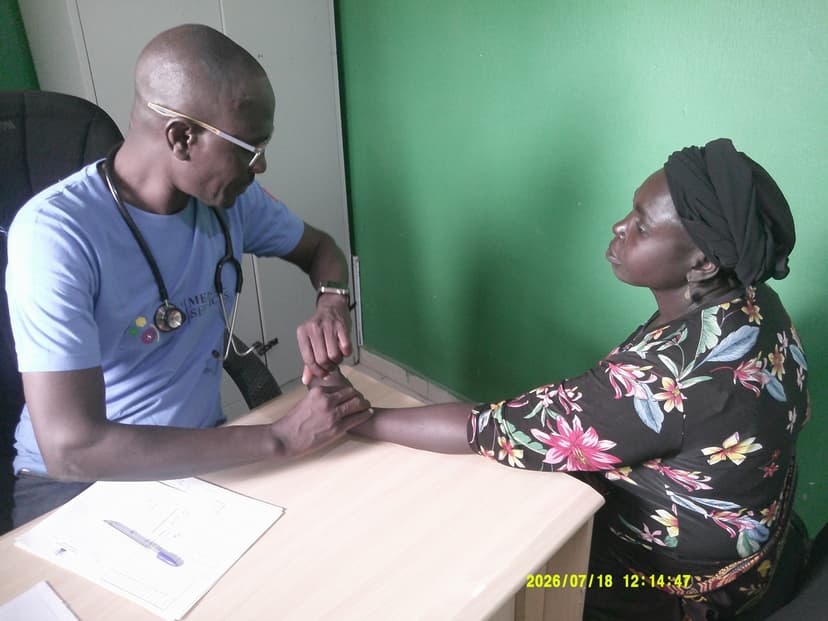
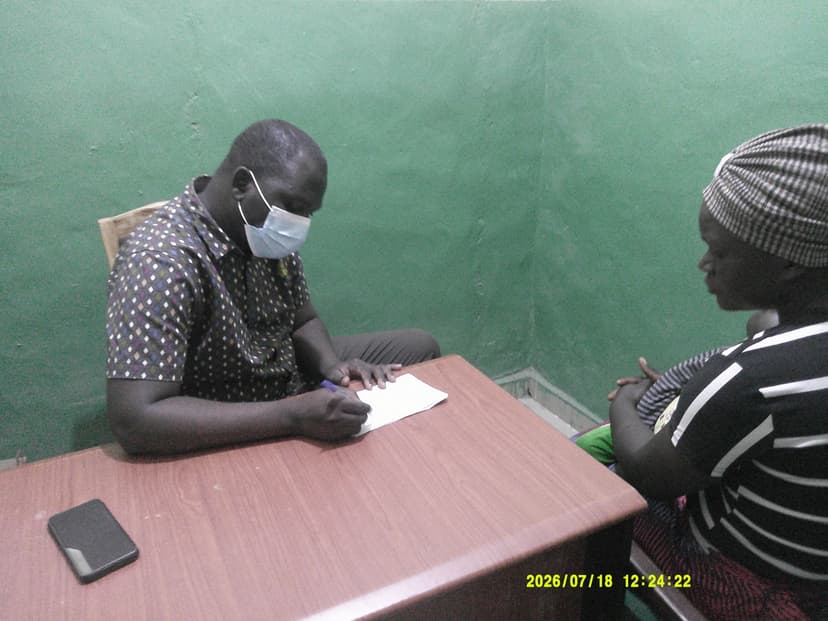
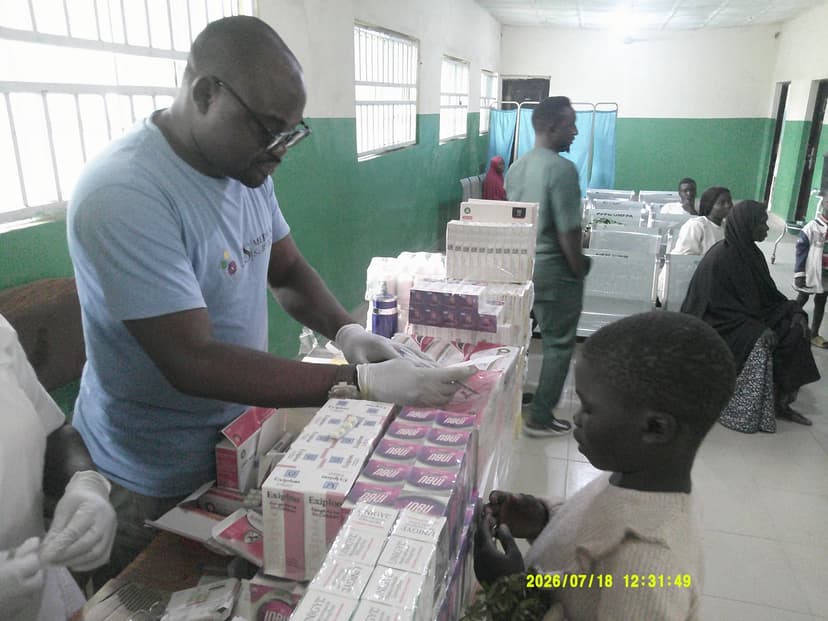
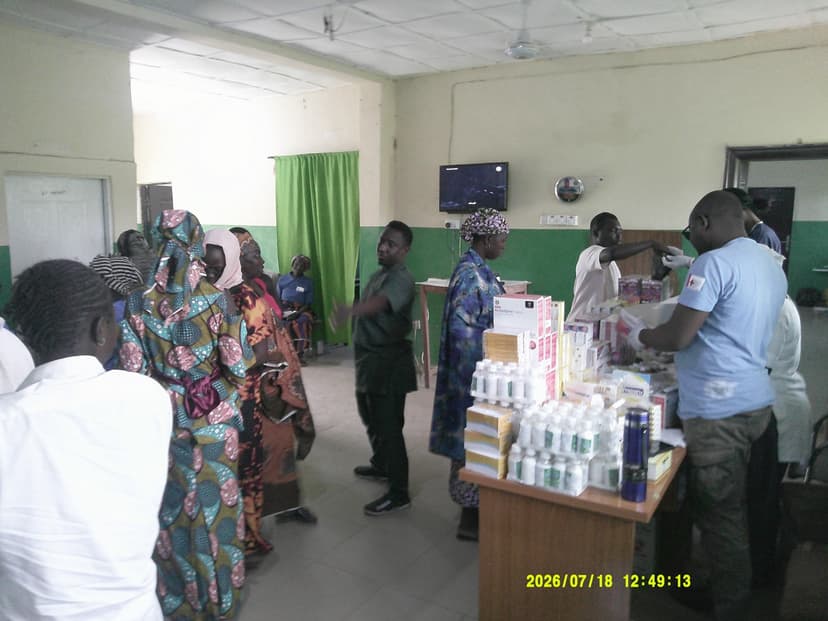
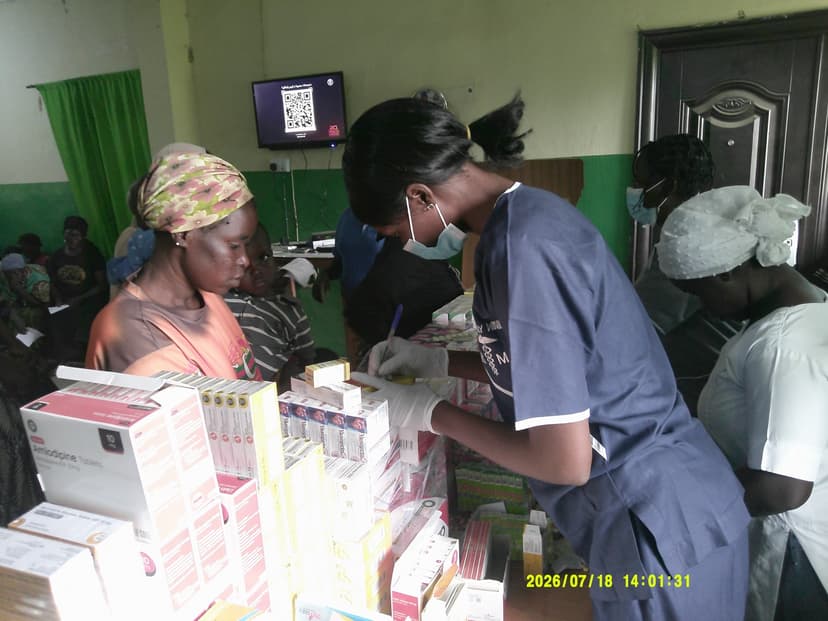
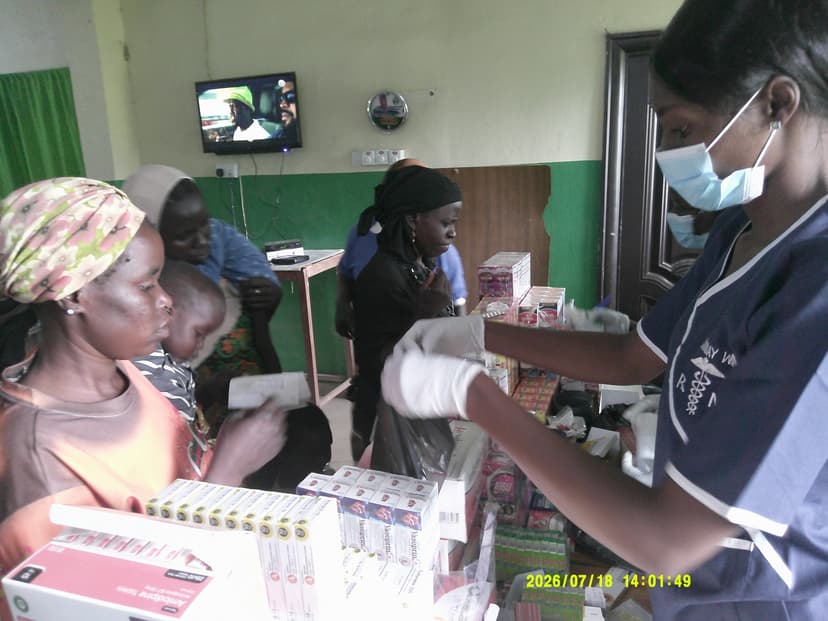
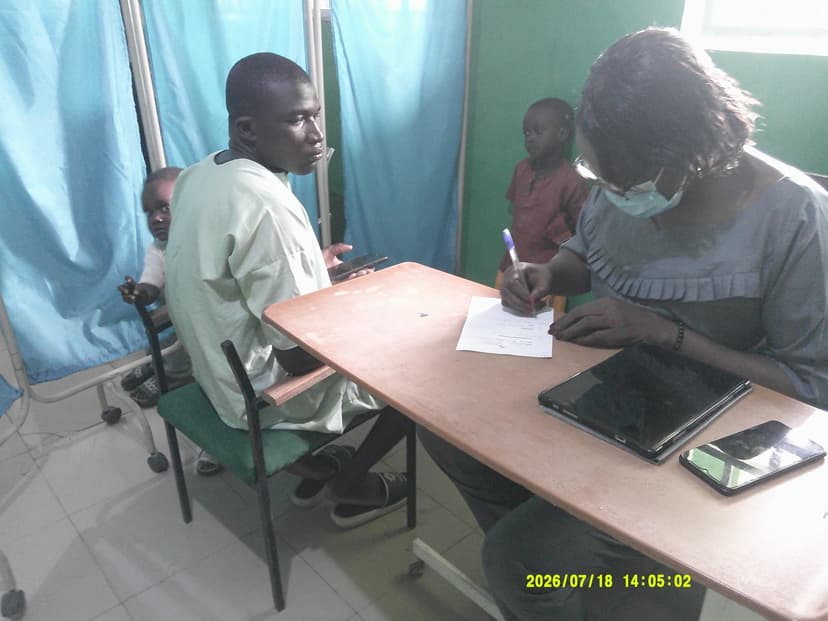
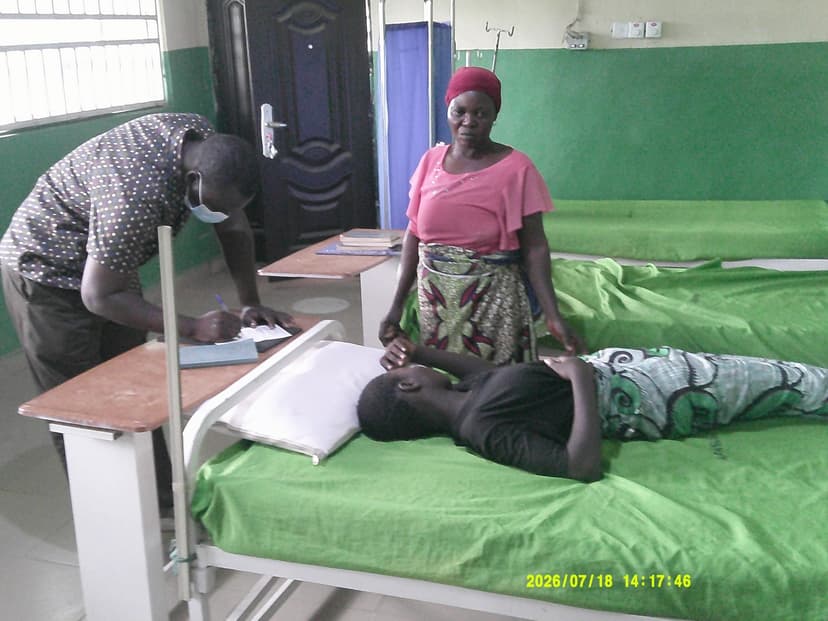
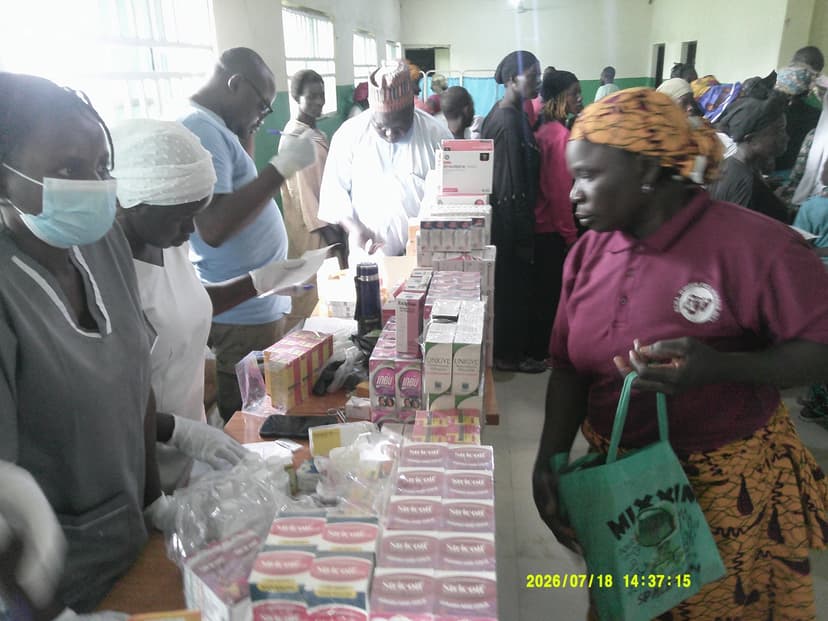
A 14-member multidisciplinary team delivered community engagement, registration, vital-sign assessment, clinical consultation, treatment, pharmaceutical services, individual counselling, group health education, referral, and documentation. A total of 476 community members were reached through the combined clinical and health-education activities. Of these, 348 received clinical consultation and access to essential medicines, while 128 participated in health education activities without clinical consultation. Three clients requiring further evaluation or specialist management were identified for referral to secondary healthcare services.
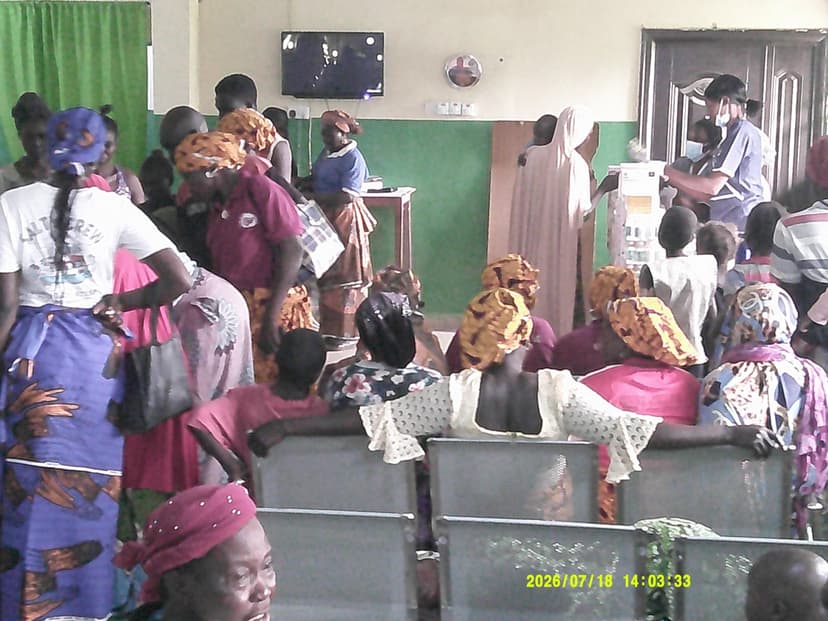
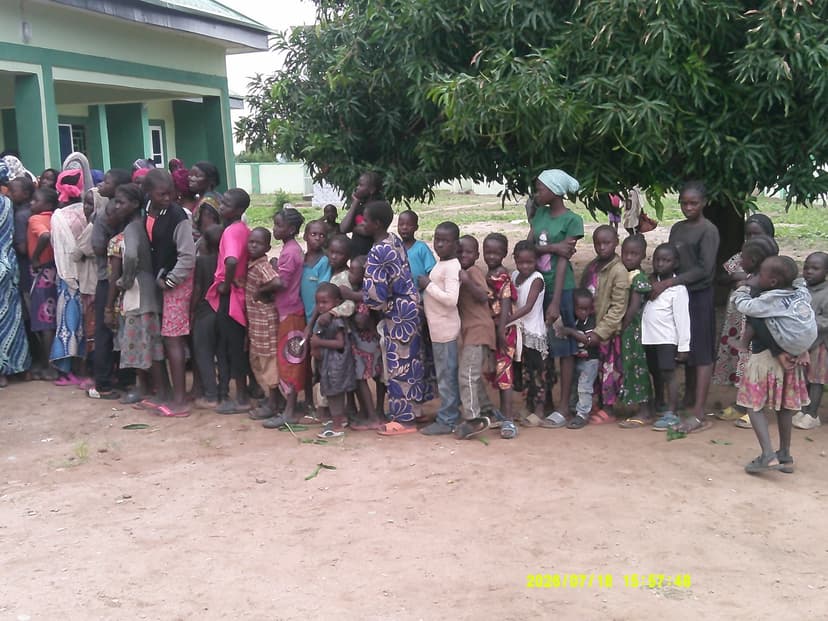
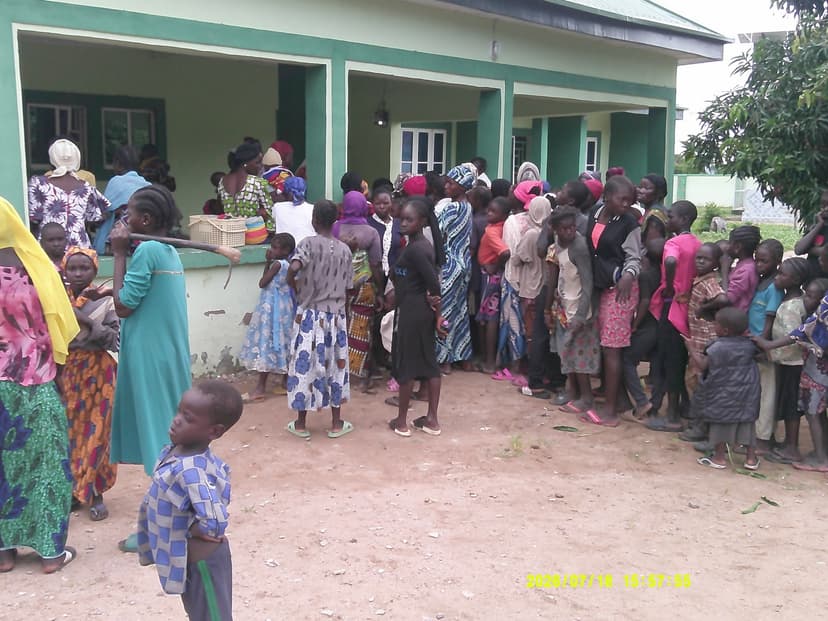
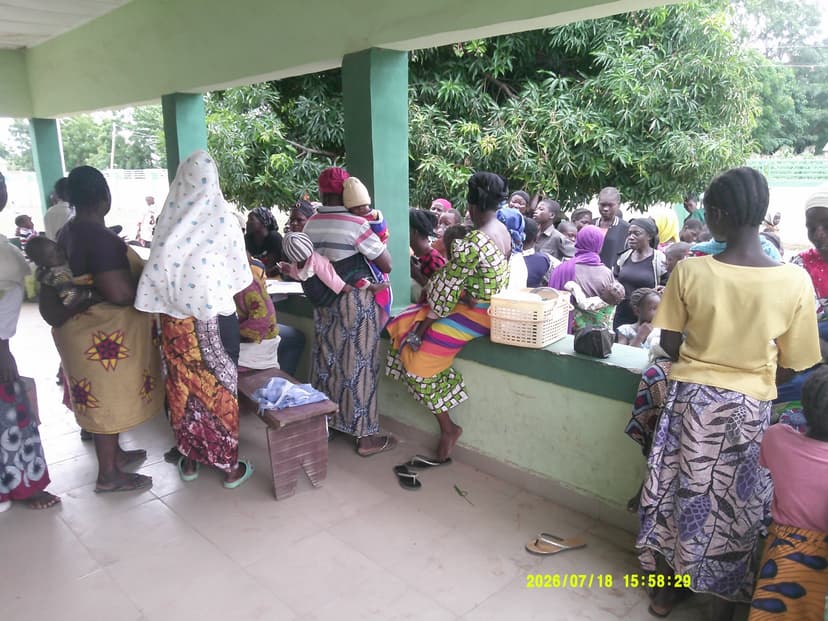
The strong turnout demonstrated substantial community demand for accessible primary healthcare. The intervention also reinforced the value of community leadership, advance mobilization, multidisciplinary teamwork, and referral linkages in delivering effective rural health services.
Background
Limited access to affordable and timely healthcare can contribute to preventable illness, delayed diagnosis, and unmet health needs in rural communities. Banganje Community faces barriers related to healthcare accessibility, health-seeking behaviour, and the financial cost of obtaining care.
In response, 3S Medical Services implemented an integrated community intervention comprising household health visits, sanitation and hygiene promotion, and a subsequent free medical outreach. The intervention was designed to improve early identification and management of common health conditions, promote preventive practices, and strengthen pathways for patients requiring care beyond the outreach setting.
Objectives
Outreach Team Composition
| Cadre | Number |
|---|---|
| Medical Doctors | 2 |
| Senior Pharmacist | 1 |
| Health Educators | 2 |
| Community Health Workers | 4 |
| Pharmacy Technicians | 3 |
| Logistics/Driver | 1 |
| Security Personnel | 1 |
| Total Personnel | 14 |
The multidisciplinary composition supported an organized service flow from community mobilization and registration through clinical assessment, pharmacy services, health education, logistics, safety, and documentation.
Team Performance & Service Delivery
| Service Area | Responsible Personnel |
|---|---|
| Clinical consultation | Medical Doctors |
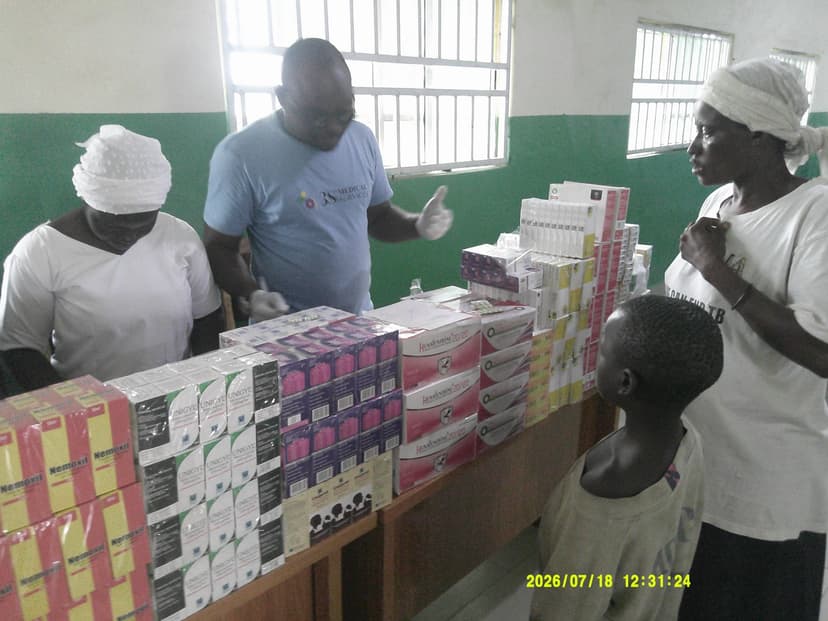
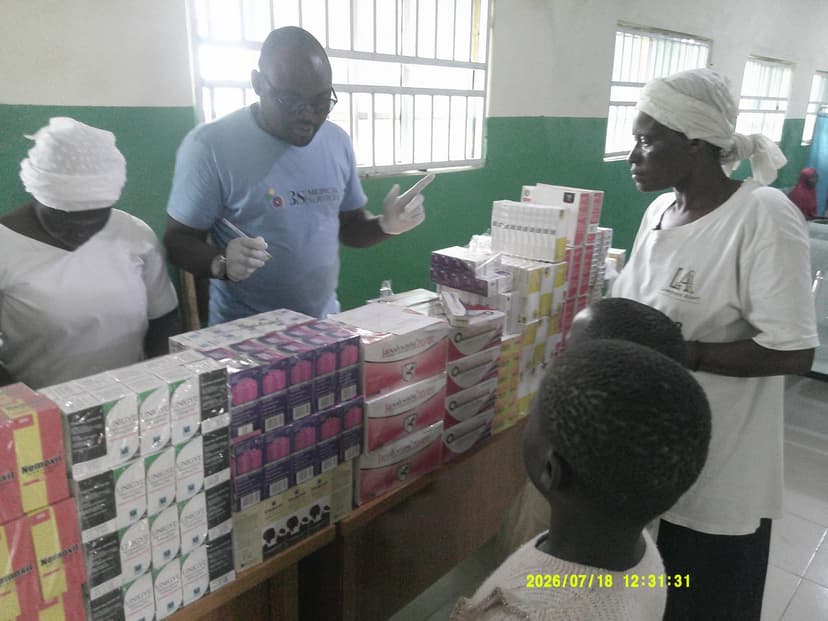
| Pharmacy services | Senior Pharmacist and Pharmacy Technicians |
| Community mobilization and health education | Health Educators and Community Health Workers |
| Client registration and support | Community Health Workers |
| Logistics | Logistics/Driver |
| Safety and crowd management | Security Personnel |
Outreach Activities
Outreach Gallery
Key Achievements
Community Engagement & Success Story
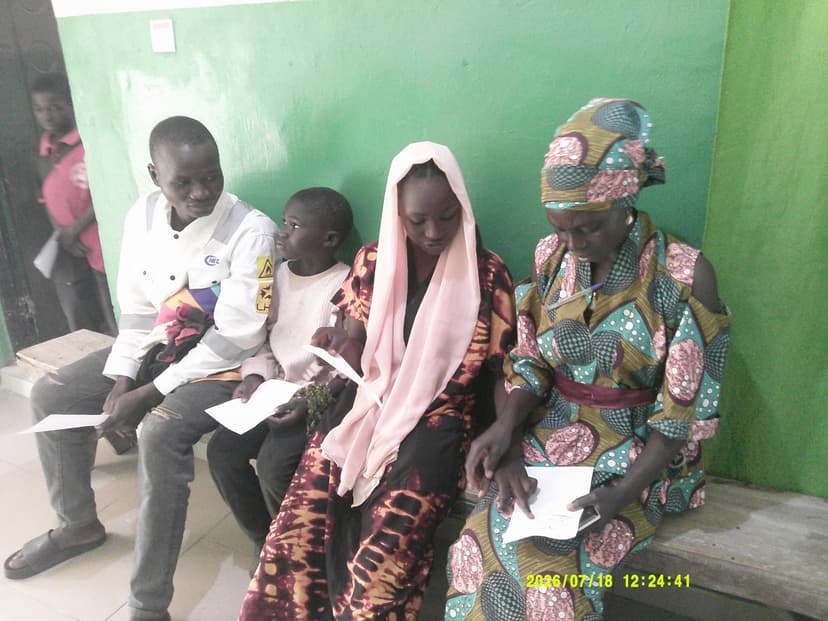
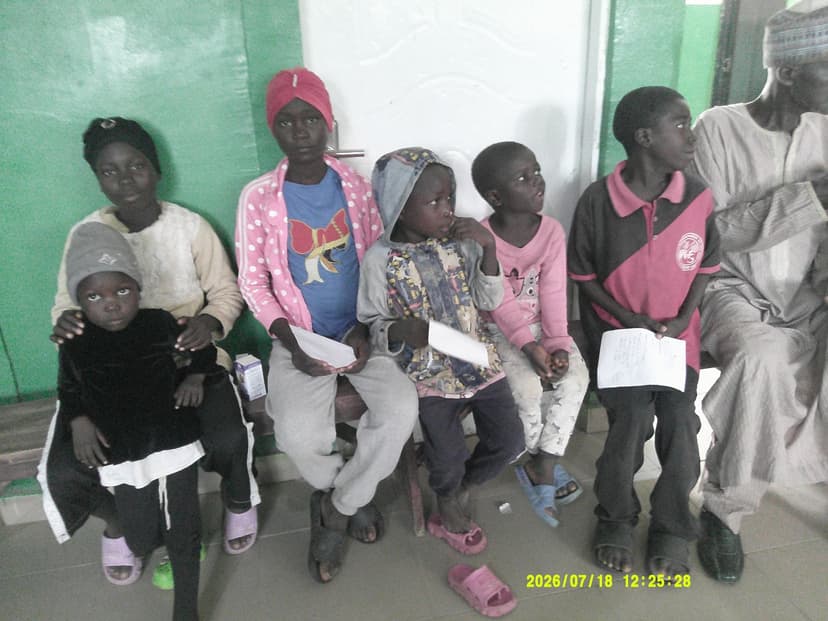
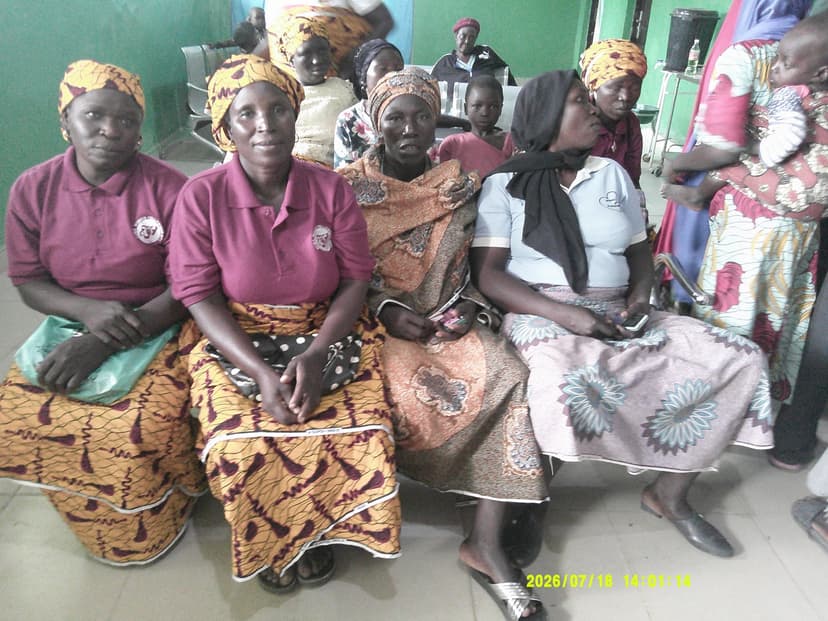
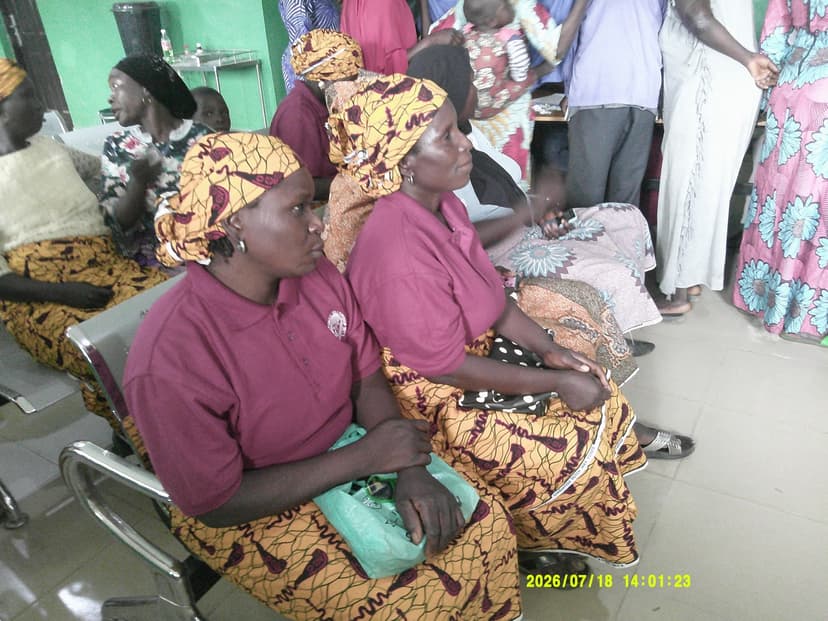
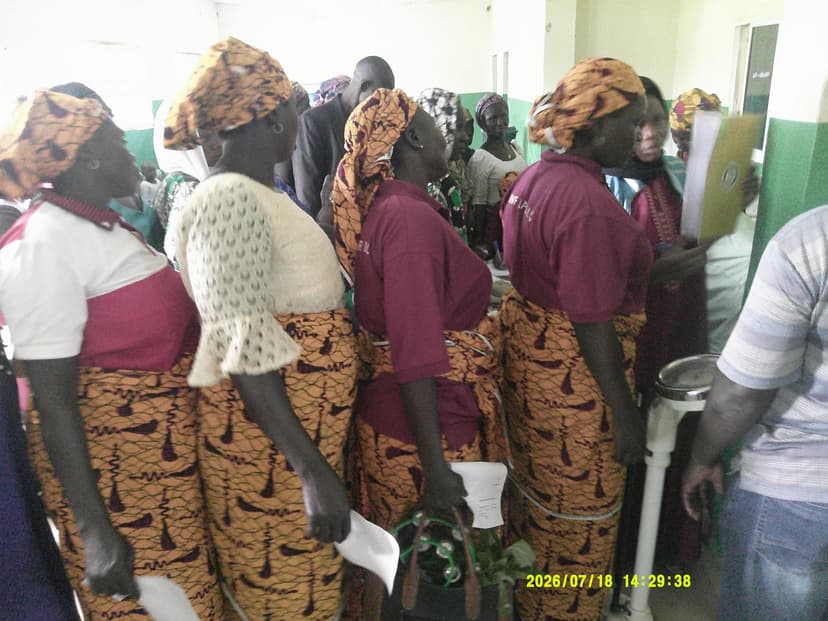
Community participation was an important component of the intervention. The outreach benefited from engagement with local leadership and community mobilization, which helped bring residents forward for services.
The high attendance also highlighted the continuing need for accessible primary healthcare in the community. A substantial proportion of attendees were women, underscoring the importance of ensuring that future outreach planning remains responsive to the health needs of women and other potentially underserved groups.
Appreciation from Community Leadership
Following the outreach, the village head of Banganje, Mai Banganje, contacted 3S Medical Services to acknowledge the team's presence and expressed appreciation for the services provided to the community. This direct community feedback provides encouraging evidence that the intervention was welcomed and valued by local stakeholders.
Several individuals with previously untreated or inadequately managed health conditions were identified during the outreach. Where appropriate, clients received immediate care and were referred for further evaluation and specialist management.
Lessons Learned
Challenges
Recommendations
- Conduct periodic community medical outreaches, with a target of at least weekly activities where resources permit.
- Extend outreach duration to two or more days in communities where demand consistently exceeds one-day capacity.
- Introduce basic point-of-care diagnostics, subject to clinical protocols, regulatory requirements, staffing, equipment, and funding.
- Strengthen referral coordination with nearby secondary and specialist healthcare facilities and establish a simple follow-up mechanism for referred clients.
- Undertake structured community mobilization sufficiently in advance of each outreach.
- Engage additional qualified volunteer healthcare professionals for larger outreaches.
- Strengthen data collection, including age and sex disaggregation, presenting conditions, medicines dispensed, referrals, and follow-up outcomes.
- Develop partnerships with government agencies, development partners, foundations, corporate organizations, and private donors to support continuity and scale.
Sustainability & Follow-Up
Conclusion
The Banganje Community Medical Outreach demonstrated the value of coordinated, community-based primary healthcare delivery in improving access to essential services in an underserved setting. Through a 14-member multidisciplinary team, 476 community members were reached: 348 received clinical consultation and access to essential medicines, while 128 participated in health education without clinical consultation. Three clients requiring further evaluation or specialist management were identified for referral.
The outreach reaffirmed the importance of preventive healthcare, community engagement, multidisciplinary teamwork, and effective referral pathways. The positive response from community leadership further indicates that the intervention was relevant and welcomed.
The experience provides a useful foundation for strengthening future 3S Medical Services outreach programs through improved planning, data collection, referral follow-up, diagnostic capacity, partnerships, and sustainable resource mobilization.
Acknowledgements
3S Medical Services sincerely appreciates the leadership and residents of Banganje Community; the medical, pharmacy, health-education, community-health, logistics, and security personnel who delivered the outreach; community mobilizers and local leaders; and all individuals and partners whose support contributed to the successful implementation of the activity.
The organization also acknowledges the community leadership's positive response following the intervention and the practical support that enabled the team to reach and serve the community.